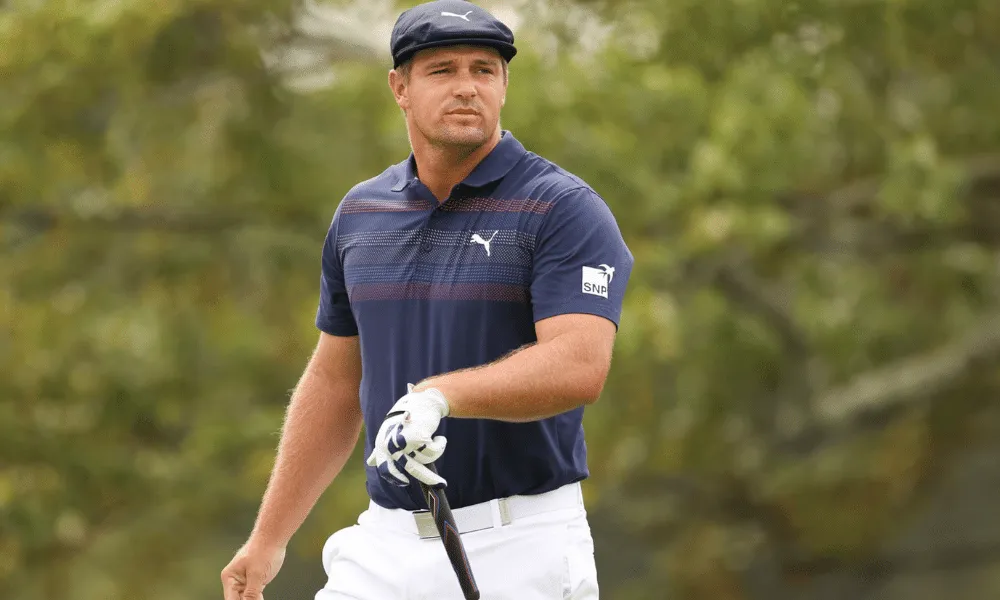
Few golfers in modern sports have transformed their image and earnings potential as dramatically as Bryson DeChambeau. Known for his scientific approach to golf, explosive driving distance, and headline-making move to LIV Golf, DeChambeau has become one of the highest-paid athletes in professional golf.
As of 2026, curiosity around Bryson DeChambeau net worth continues to rise as fans and finance-focused readers look deeper into his tournament winnings, endorsement deals, business ventures, and luxury lifestyle.
From winning major championships to signing lucrative golf contracts, DeChambeau has built a financial empire that extends far beyond the golf course. His growing wealth reflects not only athletic success but also smart branding, investments, sponsorships, and global media appeal.
Read More: Garth Brooks Net Worth 2026: Wealth, Career & Earnings
Net worth figures are estimates based on publicly available data and may vary.
Bio Data Table
| Field | Details |
|---|---|
| Full Name | Bryson James Aldrich DeChambeau |
| Known As | Bryson DeChambeau |
| Date of Birth | September 16, 1993 |
| Age (2026) | 32 Years Old |
| Birthplace | Modesto, California, USA |
| Nationality | American |
| Profession | Professional Golfer |
| Tours | LIV Golf |
| Major Achievement | U.S. Open Champion |
| College | Southern Methodist University |
| Height | 6 ft 1 in |
| Estimated Net Worth (2026) | $60–80 Million |
| Main Income Sources | Golf winnings, LIV Golf contract, endorsements, sponsorships, YouTube, investments |
Who Is Bryson DeChambeau? (Background & Early Life)
Bryson DeChambeau was born in Modesto, California, and quickly developed a passion for golf at a young age. Unlike many traditional golfers, DeChambeau approached the sport through science, physics, and data analysis. This unique mindset later earned him the nickname “The Scientist.”
He attended Southern Methodist University, where he became one of the top amateur golfers in the United States. His breakthrough arrived in 2015 when he won both the NCAA Division I Championship and the U.S. Amateur Championship in the same year — a rare achievement previously accomplished by legends like Jack Nicklaus and Tiger Woods.
Read More: Garth Brooks Net Worth 2026: Wealth, Career & Earnings
Bryson turned professional in 2016 and quickly gained attention for his unconventional playing style. From single-length irons to advanced swing analytics, he reshaped how many younger golfers approached the game.
Over time, his powerful driving ability and aggressive gameplay helped him become one of the biggest names in global golf.
Net Worth Overview (2026 Estimate)
As of 2026, Bryson DeChambeau net worth is estimated to be between $60 million and $80 million.
The majority of his fortune comes from:
- LIV Golf contracts and prize money
- PGA Tour winnings from earlier years
- Brand endorsements
- Social media and YouTube revenue
- Appearance fees and sponsorships
- Investments and business opportunities
One of the biggest financial turning points in his career came when he joined LIV Golf. Reports suggested the contract was worth well over $100 million in guaranteed money, dramatically increasing his long-term wealth and financial security.
Beyond tournament earnings, DeChambeau has become a strong commercial figure in sports media. His online content, training videos, and golf entertainment collaborations continue expanding his income streams.
Estimated Wealth Breakdown
| Income Source | Estimated Contribution |
|---|---|
| Golf Earnings | $25M+ |
| LIV Golf Contract | $100M+ reported value |
| Endorsements | $10M+ |
| YouTube & Media | $1M+ |
| Investments & Assets | Multi-million portfolio |
Net Worth Growth Timeline
Before Fame
Before becoming a professional golfer, DeChambeau earned recognition through amateur championships and collegiate success. During this phase, his income was limited to sponsorship support and amateur golf opportunities.
Estimated Net Worth (2015): Under $500,000
Breakthrough Phase
From 2016 to 2020, Bryson began winning PGA Tour events and steadily increased his earnings. His unique style attracted media attention, helping him secure major endorsement deals.
Winning the 2020 U.S. Open significantly boosted his market value and commercial appeal.
Estimated Net Worth (2020): $10–15 Million
Peak / Recent Years
His move to LIV Golf marked the largest financial leap of his career. Combined with sponsorships, media visibility, and growing brand value, his fortune expanded rapidly.
Estimated Net Worth (2026): $60–80 Million
Main Sources of Income
Core Profession Income
Professional golf remains Bryson DeChambeau’s primary income source. Across both PGA Tour and LIV Golf competitions, he has earned millions through tournament winnings, bonuses, and performance incentives.
Major victories and consistent high finishes contributed heavily to his career earnings.
Tours / Salary / Business Revenue
LIV Golf contracts transformed the economics of modern golf, and DeChambeau became one of the tour’s marquee stars. Reports surrounding his signing indicated a massive guaranteed payment structure.
In addition to direct salaries, golfers participating in global events often receive:
- Appearance fees
- Team bonuses
- Revenue-sharing opportunities
- Media incentives
These factors significantly increase annual earnings.
Brand Endorsements & Sponsorships
DeChambeau has partnered with several major sports and lifestyle brands throughout his career. His image as a power golfer and data-driven athlete makes him attractive to companies targeting performance-focused consumers.
Typical endorsement categories include:
- Golf equipment
- Apparel
- Fitness products
- Nutrition brands
- Sports technology
- Luxury accessories
Endorsements reportedly generate millions annually.
Merchandise & Licensing
Like many elite athletes, Bryson benefits from branded merchandise sales and licensing agreements. Golf apparel, hats, training products, and digital content contribute additional passive income.
His popularity on YouTube and social media has also opened opportunities for monetized partnerships and advertising revenue.
Business Strategy Behind the Wealth
Bryson DeChambeau’s financial growth is not accidental. His wealth-building strategy combines athletic performance with media relevance and personal branding.
Several key strategies stand out:
1. Differentiation
DeChambeau created a unique identity in golf. His “scientific” image helped him stand apart in a traditionally conservative sport.
2. Leveraging Media Attention
Whether through controversial comments, incredible driving distance, or fitness transformations, Bryson consistently stays in headlines. Visibility often translates into sponsorship value.
3. Diversified Income Streams
Instead of relying only on prize money, he expanded into:
- Digital media
- Sponsorships
- Content creation
- Investments
- Brand collaborations
4. Global Audience Expansion
LIV Golf helped increase his international exposure, especially in emerging golf markets.
His business approach reflects modern athlete entrepreneurship rather than traditional sports earnings alone.
Awards & Achievements and Financial Impact
Bryson’s success on the course directly increased his market value and wealth.
Major Achievements
- U.S. Open Champion
- Multiple PGA Tour victories
- NCAA Champion
- U.S. Amateur Champion
- LIV Golf event winner
Each achievement strengthened his negotiating power with sponsors and tournament organizers.
Winning a major championship often increases endorsement potential dramatically. In DeChambeau’s case, the U.S. Open victory elevated him into golf’s elite earning tier.
Read More: Garth Brooks Net Worth 2026: Wealth, Career & Earnings
Assets & Lifestyle
Real Estate
Bryson DeChambeau owns luxury property in the United States, including high-end residences connected to golf-friendly communities.
Professional athletes often invest in real estate because it provides:
- Long-term asset appreciation
- Privacy
- Tax advantages
- Portfolio diversification
His homes reportedly feature private gyms, advanced golf training setups, and luxury amenities.
Cars & Luxury
DeChambeau enjoys a luxury lifestyle that includes premium vehicles and high-performance automobiles.
Athletes in his income bracket commonly own:
- Mercedes-Benz models
- Range Rover SUVs
- Luxury sports cars
- Custom golf travel vehicles
While he is not known for extremely flashy spending compared to some celebrities, his lifestyle reflects substantial financial success.
Fashion / Investments
Bryson has invested heavily in physical conditioning and sports science. He also appears interested in long-term financial planning and diversified wealth management.
Possible investment areas include:
- Stocks
- Sports-related startups
- Real estate
- Fitness technology
- Golf entertainment media
These investments help create wealth beyond active sports competition.
Net Worth Comparison (Peers / Industry)
Here’s how Bryson DeChambeau net worth compares with other major golf stars:
| Golfer | Estimated Net Worth |
|---|---|
| Tiger Woods | $1 Billion+ |
| Rory McIlroy | $170M+ |
| Phil Mickelson | $300M+ |
| Dustin Johnson | $100M+ |
| Brooks Koepka | $80M+ |
| Bryson DeChambeau | $60–80M |
Although he has not yet reached Tiger Woods-level wealth, Bryson remains among the most financially successful golfers of his generation.
Controversies, Challenges & Financial Risks
Bryson DeChambeau’s career has not been free from controversy.
LIV Golf Criticism
His move to LIV Golf sparked backlash from traditional golf fans and media figures. Some critics questioned the ethics and future stability of the tour.
Public Feuds
Bryson’s rivalry with fellow golfers occasionally created negative headlines. However, controversy can sometimes increase media visibility and brand recognition.
Performance Pressure
Elite athletes face financial risk if performance declines. Sponsorships and endorsement deals often depend on visibility and competitive success.
Injury Concerns
Golf may appear less physically dangerous than contact sports, but repetitive strain injuries can affect long-term earnings potential.
Despite these risks, Bryson has maintained strong commercial value.
Read More: Garth Brooks Net Worth 2026: Wealth, Career & Earnings
Philanthropy & Social Impact
Bryson DeChambeau has participated in charity golf events and community initiatives throughout his career.
Professional athletes often support:
- Youth sports programs
- Medical charities
- Educational causes
- Disaster relief efforts
Bryson’s public platform also inspires younger golfers interested in analytics and sports science.
His influence extends beyond competition into modern golf culture and athlete branding.
How Bryson DeChambeau Makes Money Outside Core Profession
Beyond tournament winnings, DeChambeau has built several alternative income streams.
YouTube & Digital Content
Bryson’s online videos attract millions of views. Golf fans enjoy watching:
- Training sessions
- Challenges
- Equipment testing
- Long-drive content
- Collaborations with creators
Digital monetization now represents a meaningful revenue source for athletes.
Public Appearances
High-profile athletes can earn significant appearance fees for:
- Corporate events
- Golf exhibitions
- Brand launches
- Speaking engagements
Sponsorship Equity Deals
Some athletes negotiate ownership stakes instead of flat endorsement payments. If Bryson pursues more equity partnerships, his long-term wealth could grow substantially.
Business Partnerships
Modern sports stars increasingly launch:
- Apparel brands
- Fitness products
- Media companies
- Golf training platforms
These ventures help create sustainable post-career income.
Read More: Garth Brooks Net Worth 2026: Wealth, Career & Earnings
Future Net Worth Projection
Bryson DeChambeau’s future wealth potential remains extremely strong.
Several factors support continued financial growth:
- Ongoing LIV Golf earnings
- Expanding digital media presence
- Sponsorship opportunities
- Investment appreciation
- Global golf popularity
Projected Net Worth Forecast
| Year | Estimated Net Worth |
|---|---|
| 2026 | $60–80 Million |
| 2027 | $75–90 Million |
| 2030 | $100 Million+ potential |
If DeChambeau continues growing his personal brand and business ventures, he could eventually join golf’s nine-figure wealth category.
(FAQs)
What is Bryson DeChambeau net worth in 2026?
Bryson DeChambeau’s estimated net worth in 2026 is between $60 million and $80 million.
How does Bryson DeChambeau make money?
He earns money through golf winnings, LIV Golf contracts, endorsements, sponsorships, digital media, and investments.
What is Bryson DeChambeau’s biggest source of income?
His LIV Golf agreement is believed to be his largest financial asset and earnings source.
Did Bryson DeChambeau win a major championship?
Yes, he won the U.S. Open and established himself among elite professional golfers.
Does Bryson DeChambeau have endorsement deals?
Yes, he has endorsement partnerships with golf, fitness, and sports-related brands.
Could Bryson DeChambeau become a billionaire?
While unlikely in the near future, continued business success and investments could significantly increase his long-term fortune.
Read More: Garth Brooks Net Worth 2026: Wealth, Career & Earnings
Conclusion
Bryson DeChambeau net worth reflects far more than tournament success alone. Through elite golf performance, strategic branding, LIV Golf earnings, endorsements, and expanding digital influence, he has become one of the wealthiest modern golfers in the sport.
His career demonstrates how athletes today build wealth through multiple income streams rather than relying solely on prize money. From scientific training methods to business-minded decisions, DeChambeau has positioned himself as both a sports star and a growing financial powerhouse.
As golf continues evolving globally, Bryson’s earnings, assets, investments, and overall fortune are likely to keep rising in the years ahead.
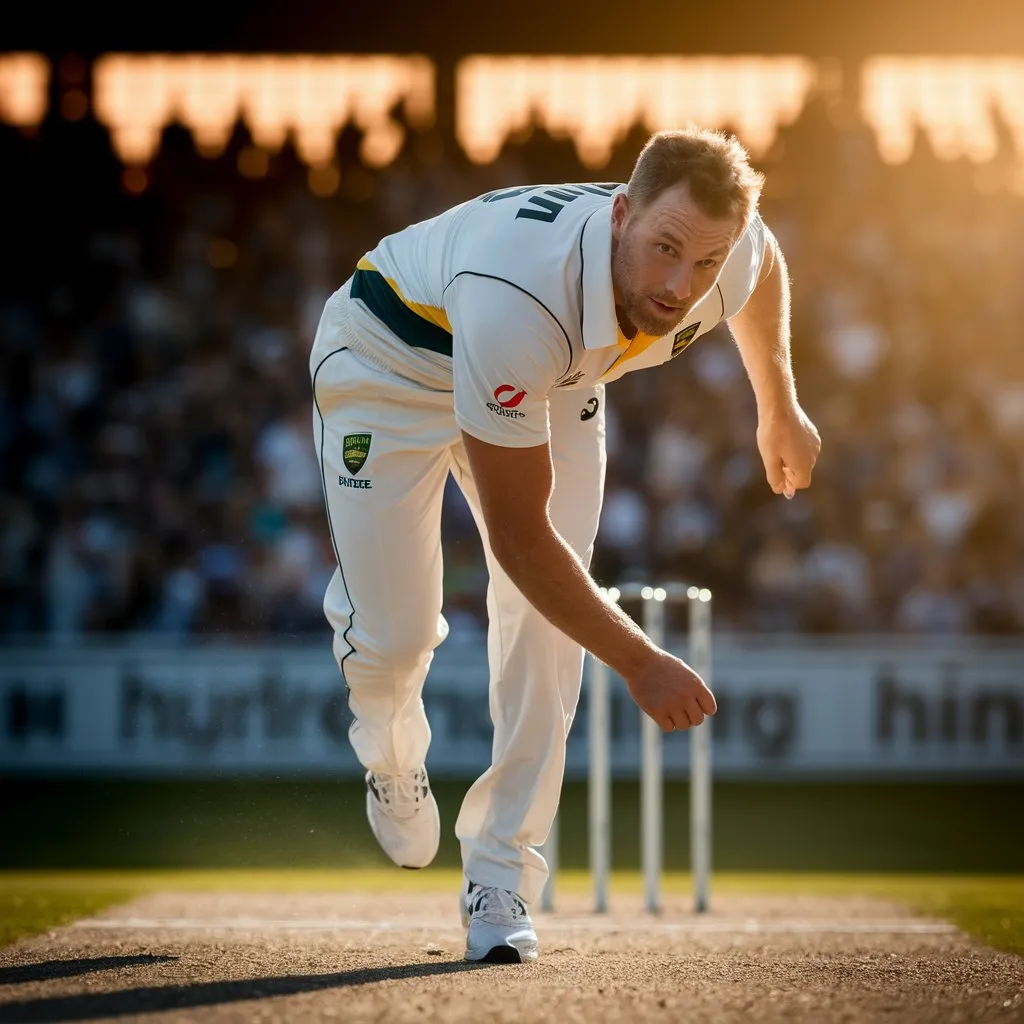
Shaun William Tait is a former Australian international cricketer, widely recognized as one of the fastest bowlers in cricket history. Known for his extreme pace, aggressive bowling action, and match-winning spells, Shaun Tait played a crucial role in Australia’s dominance during the mid-2000s, especially in limited-overs cricket.