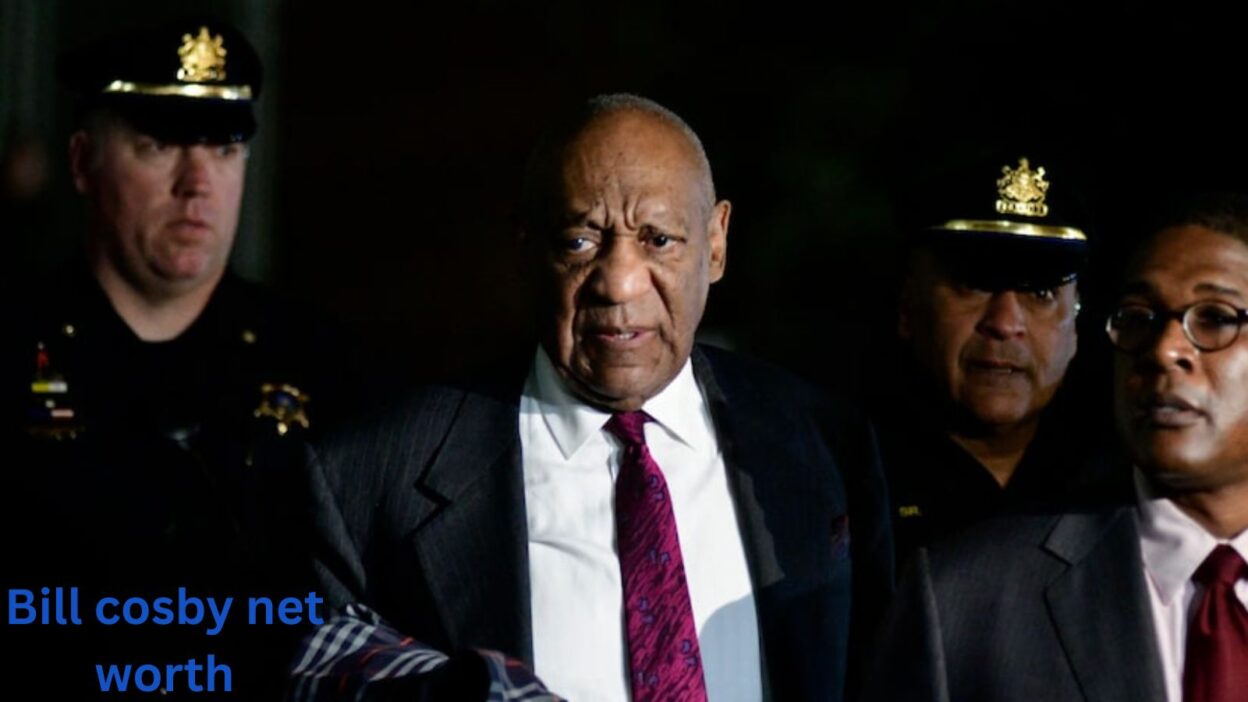
The topic of Bill Cosby net worth continues to spark curiosity worldwide, especially given his long-standing career in entertainment and the controversies that reshaped his legacy.
Once among the highest-paid comedians and television stars, Bill Cosby built a massive fortune through decades of success in stand-up comedy, acting, and production.
However, legal challenges and public backlash significantly impacted his financial standing. In this detailed breakdown, we analyze his wealth, income streams, assets, and how his net worth has evolved over time.
Bio Data Table
| Attribute | Details |
| Full Name | William Henry Cosby Jr. |
| Date of Birth | July 12, 1937 |
| Age (2026) | 88 Years |
| Birthplace | Philadelphia, Pennsylvania, USA |
| Nationality | American |
| Profession | Comedian, Actor, Producer |
| Known For | The Cosby Show |
| Marital Status | Married |
| Net Worth (2026) | Estimated $400 Million |
Who Is Bill Cosby? (Background & Early Life)
Bill Cosby was born in Philadelphia and rose from humble beginnings. Before becoming a household name, he served in the U.S. Navy and later pursued higher education.
His breakthrough came in the 1960s with stand-up comedy, where his clean, family-friendly humor stood out. Cosby’s storytelling style quickly gained popularity, leading to television roles and eventually creating one of the most iconic sitcoms in American history, The Cosby Show.
Net Worth Overview (2026 Estimate)
As of 2026, Bill Cosby net worth is estimated at $400 million.
This figure reflects:
- Decades of earnings from TV and comedy
- Ownership stakes in shows
- Royalties and licensing deals
- Financial losses due to legal battles
Disclaimer: Net worth figures are estimates based on publicly available data and may vary.
Net Worth Growth Timeline
Before Fame
- Earned modest income as a stand-up comedian
- Early TV appearances provided limited financial growth
Breakthrough Phase
- Starred in I Spy
- Began earning substantial TV salaries
- Comedy albums generated strong royalties
Peak / Recent Years
- Massive earnings from The Cosby Show
- Syndication deals boosted wealth
- Recent years impacted by legal and reputational challenges
Main Sources of Income
Core Profession Income
Cosby earned millions from acting and comedy. His sitcom salary was among the highest in TV history.
Tours / Salary / Business Revenue
- Nationwide comedy tours
- TV production deals
- Executive producer earnings
Brand Endorsements & Sponsorships
- Major endorsements in the 1980s and 1990s
- Partnerships with top brands added millions
Merchandise & Licensing
- Syndication royalties
- DVD sales and streaming rights
- Intellectual property ownership
Business Strategy Behind the Wealth
Cosby’s wealth strategy focused on ownership rather than just salary.
Key strategies:
- Retaining rights to his shows
- Long-term syndication deals
- Diversifying income streams
This approach allowed him to earn passive income long after his shows aired.
Awards & Achievements and Financial Impact
Cosby received numerous awards, including:
- Emmy Awards
- Grammy Awards
- Golden Globe recognition
These accolades increased his market value, leading to higher salaries and better contracts.
Assets & Lifestyle
Real Estate
Cosby owns multiple luxury properties, including:
- Pennsylvania estates
- Massachusetts homes
Cars & Luxury
- Collection of high-end vehicles
- Private luxury lifestyle during peak years
Fashion / Investments
- Investments in art collections
- Stocks and private ventures
Net Worth Comparison (Peers / Industry)
Compared to peers:
- Eddie Murphy – Higher active earnings today
- Jerry Seinfeld – Billionaire status due to syndication deals
- Dave Chappelle – Strong modern streaming income
Cosby remains wealthy but less financially dominant today.
Controversies, Challenges & Financial Risks
Cosby’s legal issues significantly impacted:
- Public image
- Business deals
- Syndication revenue
Major consequences:
- Loss of endorsements
- Reduced licensing income
- Legal expenses
Despite this, his prior wealth cushion helped maintain a high net worth.
Philanthropy & Social Impact
Cosby has contributed to:
- Educational institutions
- Scholarships for students
- Community development programs
However, public perception of his philanthropy has shifted due to controversies.
How Bill Cosby Makes Money Outside Core Profession
Additional income streams include:
- Investments in real estate
- Royalties from past content
- Licensing of intellectual property
These passive income sources continue to support his wealth.
Future Net Worth Projection
Future projections suggest:
- Stable but slowly declining wealth
- Limited new income sources
- Continued reliance on past royalties
Estimated future range:
- $300M – $400M over the next decade
(FAQs)
1. What is Bill Cosby net worth in 2026?
Bill Cosby net worth is estimated at $400 million.
2. How did Bill Cosby make his money?
Through acting, comedy, TV production, and syndication royalties.
3. Did controversies affect his wealth?
Yes, significantly—through lost deals and legal costs.
4. Does Bill Cosby still earn money?
Yes, mainly through royalties and investments.
5. What was his biggest financial success?
The Cosby Show and its syndication deals.
6. Is Bill Cosby still one of the richest comedians?
He remains wealthy but is no longer among the top earners today.
Conclusion
In conclusion, Bill Cosby net worth reflects both extraordinary success and significant setbacks. From dominating television to building a multi-million-dollar fortune through smart ownership and royalties, his financial journey is complex.
While controversies reshaped his earnings and legacy, his accumulated assets and past successes ensure he remains financially strong. His story serves as both a lesson in wealth-building and the risks that can impact even the most established fortunes.

Shaun William Tait is a former Australian international cricketer, widely recognized as one of the fastest bowlers in cricket history. Known for his extreme pace, aggressive bowling action, and match-winning spells, Shaun Tait played a crucial role in Australia’s dominance during the mid-2000s, especially in limited-overs cricket.